Chain of Custody: How to Stop Losing Lab Specimens
• NCE Team
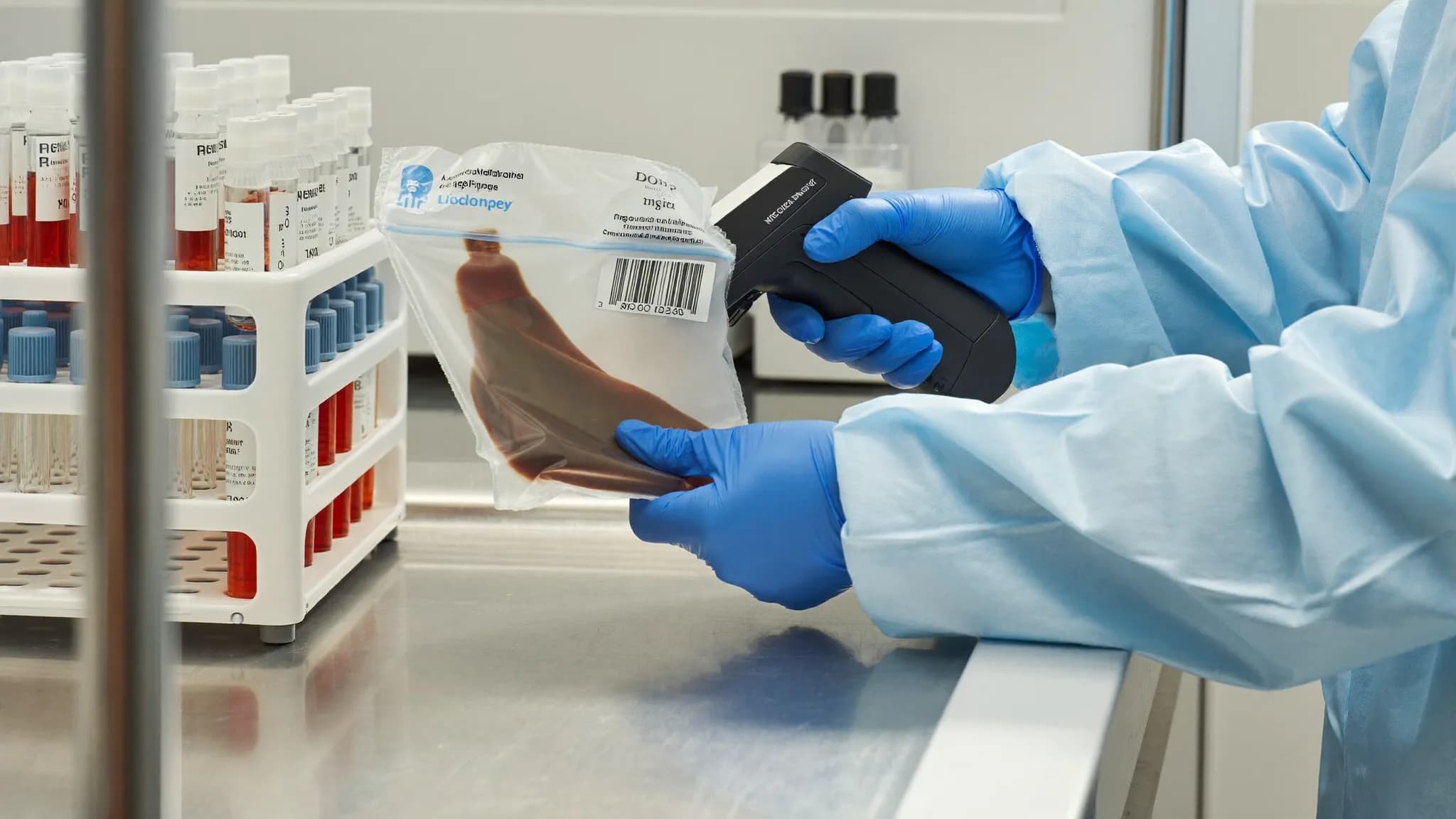
Every lab has a story about a specimen that went missing, arrived too warm or showed up without its paperwork. Each one means calling the patient back, drawing again and delaying results. Most of these problems don't happen in the lab. They happen in transit, at the handoffs between people.
What chain of custody means
Chain of custody is the documented record of everyone who handled a specimen, from collection to the lab bench. A strong chain answers three questions at any moment: where is it, who has it, and was it kept in the right conditions?
Where specimens usually go wrong
- Missed pickups. Specimens sit at a clinic too long, or the courier comes before they're ready.
- Undocumented handoffs. Nobody is sure who took the bag or when.
- Temperature excursions. Specimens are left in the wrong conditions during transport.
- Missing paperwork. Requisitions and forms get separated from the specimens they belong to.
Building a stronger chain
- Use scheduled routes. Consistent pickup times mean specimens don't sit waiting, and clinics know exactly when to have them ready.
- Document every handoff. Each transfer should be recorded, with confirmation at delivery.
- Track in real time. GPS tracking lets your team see where a run is and plan for its arrival.
- Control temperature. Use temperature-controlled containers wherever the specimen requires it.
- Keep paperwork with the specimen. Make document handling part of the courier's job, not an afterthought.
How NCE helps labs
We provide temperature-controlled handling and documented custody from pickup to delivery, with real-time GPS tracking and delivery confirmations. We also retrieve and track signed or unsigned paperwork and small equipment at no additional cost, so documents don't get left behind.
Our goal is simple: you should never lose a specimen to a missed pickup again. Request a quote to see what a dedicated lab route could look like for you.
